Concrete Retaining Walls vs Concrete Poured Walls: What’s the Difference?
People looking to install retaining walls or poured concrete walls can rely on local contractors to help choose the right type and ensure proper, durable installation.
If you're exploring options for enhancing your property’s landscape or managing challenging terrain, understanding the differences between concrete retaining walls and concrete poured walls is a smart starting point. Property owners in the area often consider these structures for purposes such as preventing erosion, creating level outdoor spaces, or adding visual appeal. Knowing which type suits your specific needs can help ensure your project is both functional and durable. Local contractors specializing in retaining wall and concrete poured wall installation can provide valuable insights and practical solutions tailored to your property’s unique requirements.
As you continue to learn about concrete retaining walls versus concrete poured walls, it becomes clear that each offers distinct advantages depending on the scope and purpose of the project. Whether you need a sturdy barrier to hold back soil or a foundation for a larger structure, understanding these differences can guide your decision-making. Connecting with experienced service providers in the area can make the process smoother, helping you select the right type of wall and ensuring it’s installed correctly for long-lasting performance. Keep reading to discover more about these options and how local experts can assist with your next project.
Get Quotes for Retaining Wall And Concrete Poured Wall Installation
- Retaining Wall installation - needed when landscape support or erosion control is required, with local contractors specializing in various materials and design options.
- Concrete poured wall installation - suitable for foundation or basement walls where structural strength and seamless finishes are priorities, handled by experienced service providers.
- Retaining Wall construction - often chosen for terracing or decorative purposes, with local pros customizing solutions to match landscape and soil conditions.
- Concrete poured wall setup - used in situations demanding continuous, monolithic concrete structures, with local contractors ensuring proper formwork and reinforcement.
- Retaining Wall services - ideal for creating level areas or preventing soil movement, with local experts offering tailored installation approaches based on site needs.
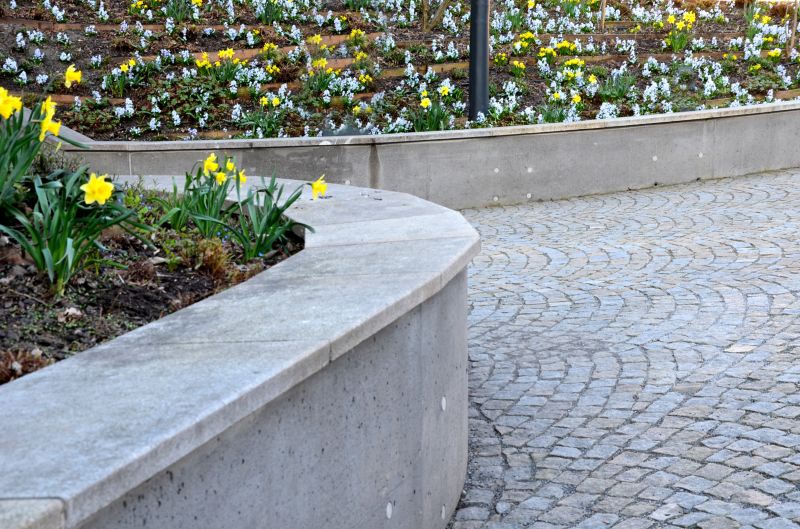
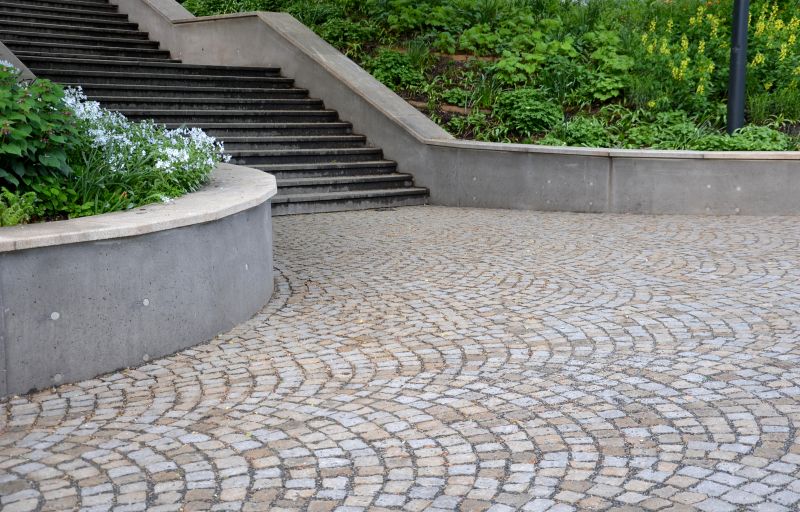
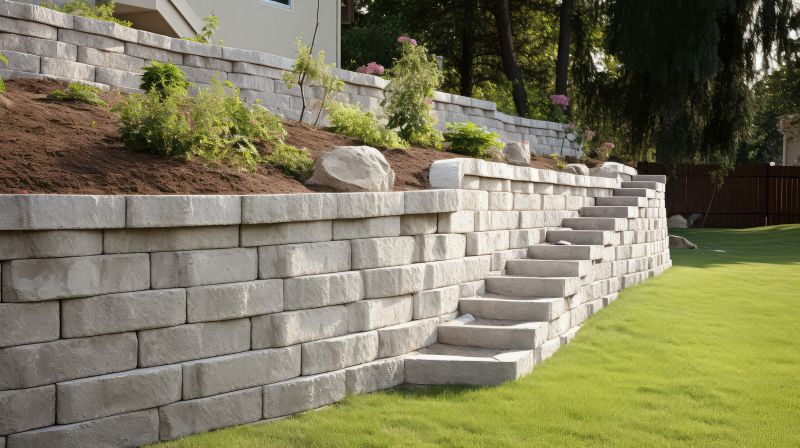
When homeowners search for information about concrete retaining walls versus concrete poured walls, they are typically trying to understand the differences between these two common types of concrete structures. This comparison often comes up during planning for landscape improvements, hillside stabilization, or property expansion projects. People want to know which option is more suitable for their specific needs, whether it’s supporting a sloped yard, creating level areas, or preventing soil erosion. Understanding the distinctions helps homeowners make informed decisions about the materials and construction methods that will best serve their property’s unique terrain and aesthetic preferences.
These topics are closely related to a variety of property-related problems and planning considerations. For example, many properties with uneven ground or slopes require some form of retaining structure to prevent soil movement and maintain safety. Others might be exploring ways to create more usable outdoor space or improve drainage around their home. Concrete retaining walls are often chosen for their ability to hold back earth on sloped land, while concrete poured walls are frequently used for foundation work, basement walls, or structural support within a property. The choice depends on the specific project goals, the landscape’s challenges, and the long-term durability needed.
Properties that typically come up in discussions about concrete retaining walls versus concrete poured walls include residential yards, hillside properties, commercial landscapes, and even some multi-family developments. Homeowners with sloped yards often look into retaining walls to create level terraces or prevent soil erosion, while those building new foundations or basement walls may need poured concrete options. Commercial properties with significant grade changes or structural requirements also consider these options. Local contractors who specialize in concrete installation can assess the property’s terrain and help determine which type of wall is best suited for the project, ensuring that the structure will meet both functional and aesthetic needs.
Understanding the differences between concrete retaining walls and concrete poured walls is essential for homeowners planning outdoor or structural projects. Retaining walls are typically built using segments or blocks and are designed to hold back soil, making them ideal for landscaping and erosion control. Poured concrete walls, on the other hand, are cast in place as a continuous structure, often used for foundations, basements, or load-bearing applications. Local service providers who specialize in concrete installation can evaluate the property’s specific requirements, terrain, and design goals to recommend the most appropriate solution. Connecting with experienced contractors ensures the chosen wall type will be durable, effective, and aligned with the project’s needs.
Landscape grading and drainage projects - these projects often require expertise in concrete forms and soil management, similar skills used in constructing retaining walls and poured concrete structures.
Foundation repair and reinforcement - understanding soil stability and concrete application is essential for foundation services, which share techniques with retaining wall and poured wall installations.
Patio and walkway construction - installing durable concrete surfaces involves planning and form-setting skills comparable to those needed for concrete retaining and poured walls.
Basement wall waterproofing - this work requires knowledge of concrete types and structural support, aligning with the skills used in wall installation projects.
Terracing and landscape slope stabilization - these projects involve designing and building structures that hold soil, similar to the planning involved in retaining wall construction.
Custom concrete features and decorative walls - creating aesthetic concrete elements requires craftsmanship and planning skills akin to those used in structural wall projects.
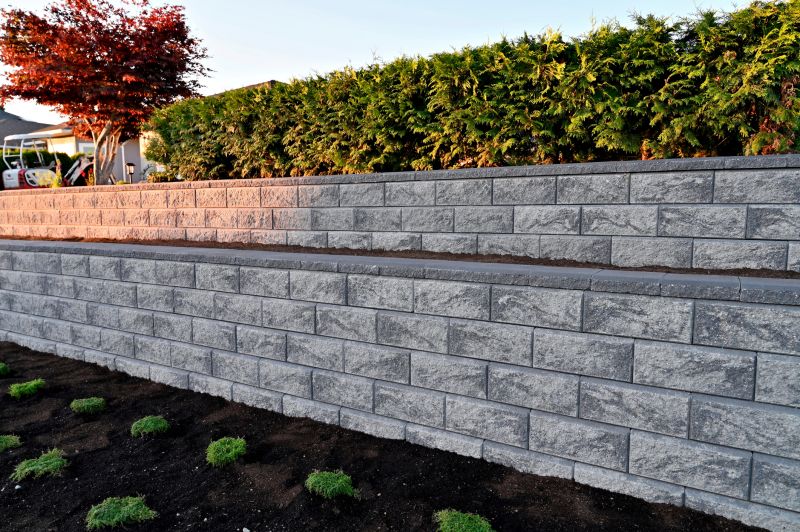
When comparing local contractors for concrete retaining walls versus concrete poured walls, it’s important to consider their experience with similar projects. Retaining walls and poured walls serve different functions and require distinct construction techniques, so selecting service providers who have a proven track record with these specific types of work can help ensure quality results. Homeowners should inquire about the types of projects the contractor has completed in the past, paying attention to the complexity and scale of those projects to determine if they have relevant expertise. This can provide confidence that the contractor understands the unique challenges and best practices associated with each wall type.
Clear written expectations are essential when evaluating potential service providers. A reputable local contractor should be able to provide detailed descriptions of their process, materials, and the scope of work involved in installing either concrete retaining walls or poured walls. Having this information in writing helps prevent misunderstandings and ensures that homeowners are aligned on project goals. It’s also beneficial to ask for a detailed proposal or plan that outlines the work involved, so expectations are transparent from the outset. This level of clarity can make the decision-making process smoother and help homeowners feel more confident in their choice.
Reputable references and effective communication are key factors when selecting local contractors for wall installation projects. Service providers who can offer references from previous clients with similar projects can provide insight into their reliability, craftsmanship, and professionalism. Good communication throughout the process-such as timely responses to questions and clear updates-also indicates a contractor’s commitment to customer service. Homeowners should feel comfortable asking prospective contractors about their experience, requesting references, and discussing project details to gauge how well they communicate and collaborate. These factors can contribute significantly to a successful and satisfactory installation of either concrete retaining walls or concrete poured walls.
Get a Quote for Retaining Wall And Concrete Poured Wall Installation
Property owners often search for concrete retaining walls vs concrete poured walls: what’s the difference? when they are planning practical projects around their homes and businesses. Local pros provide Retaining Wall and Concrete Poured Wall Installation services for everyday jobs and straightforward project options.
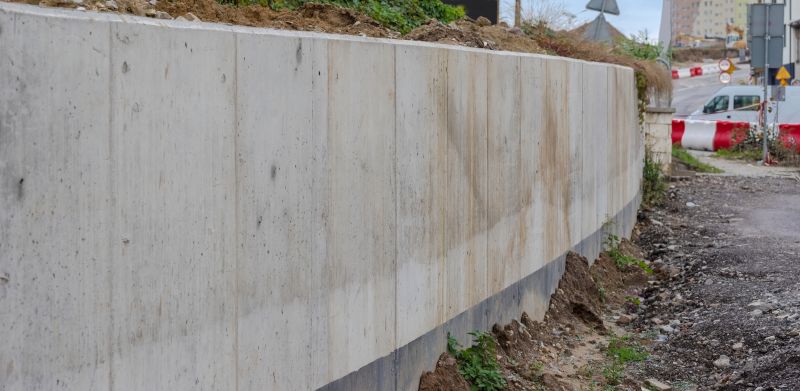
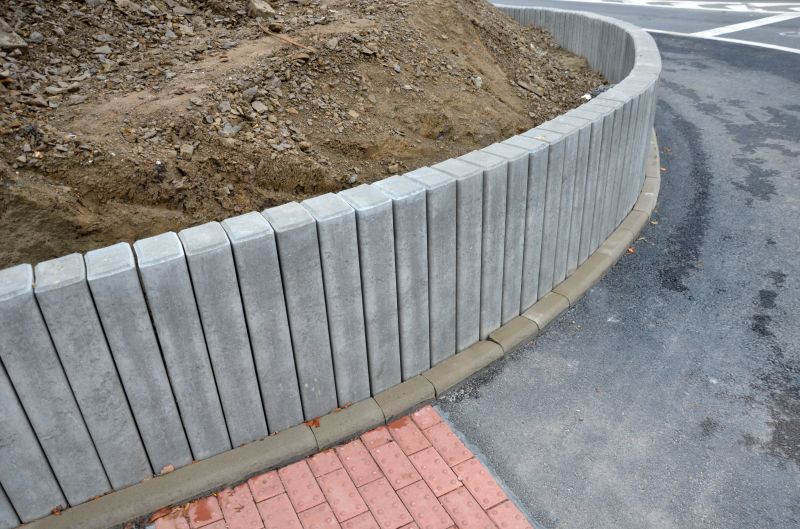
For property owners considering landscape improvements or structural support, understanding the difference between concrete retaining walls and concrete poured walls can be essential. Retaining walls are often used to hold back soil on sloped properties, creating level areas for gardening, patios, or driveways. They are typically constructed with precast blocks, stones, or poured concrete, and their design can add visual appeal while providing stability. On the other hand, concrete poured walls are usually associated with foundation work or basement walls, offering a continuous, seamless surface that supports the structure of a building. When planning for a project, property owners may look into these options to ensure they select the right type of wall based on their specific needs and site conditions.
Local contractors who specialize in concrete work can help evaluate the site and recommend suitable solutions for retaining or poured walls. Whether it’s building a sturdy retaining wall to prevent erosion or installing poured concrete walls as part of a foundation, experienced service providers can manage the details to ensure the project is durable and effective. Property owners researching this topic often seek professional installation to ensure the walls are properly designed and constructed, reducing future issues and enhancing the property’s overall stability and appearance. Connecting with local experts can provide valuable guidance tailored to the unique requirements of each project.
Get a Quote for Retaining Wall And Concrete Poured Wall Installation
What is the main difference between concrete retaining walls and concrete poured walls? Concrete retaining walls are designed to hold back soil and typically involve modular units or blocks, while concrete poured walls are formed and poured on-site to create structural walls for foundations or basements. Local contractors can help determine which type suits specific landscaping or construction needs.
Are concrete retaining walls and concrete poured walls built using the same materials? Both structures primarily use concrete, but retaining walls often incorporate additional reinforcement like geogrids or drainage features, whereas poured walls focus on forming a continuous concrete structure. Local service providers can advise on the best materials for each project.
Can concrete poured walls be used for landscaping purposes like retaining walls? Concrete poured walls are generally used for foundation or structural purposes and are less common for landscaping retaining walls, which benefit from modular or segmental construction. Local contractors can recommend the most effective option based on the project goals.
What are the typical installation differences between concrete retaining walls and poured walls? Retaining walls are built using pre-formed blocks or panels that are stacked and secured, while poured walls require forming and on-site pouring of concrete. Local pros handle the installation process for both, ensuring proper structural support and stability.
How does the purpose of the wall influence whether to choose a retaining wall or a poured wall? Retaining walls are primarily used to manage soil and prevent erosion, whereas poured walls are often part of building foundations or structural enclosures. Local contractors can assess the specific needs to recommend the most suitable type of wall for each project.
Choosing the right wall type - property owners can work with local contractors to determine whether a concrete retaining wall or poured wall suits their landscape and structural needs.
Assessing site conditions - understanding soil stability and drainage requirements helps decide which wall type provides better long-term performance.
Planning for durability - property owners can collaborate with local pros to select materials and construction methods that enhance the lifespan of either wall type.
Designing for aesthetic appeal - consulting with local contractors allows property owners to incorporate style and finishing options that complement their overall landscape design.
If you are thinking about concrete retaining walls vs concrete poured walls: what’s the difference? for a property, this guide is meant to help you understand this topic, the typical project types, and how different options might fit your plans.
When you are ready, you can use the quote form on this page to share a few details about your project. From there, local pros can review the basics and follow up with options that match what you have in mind.
Get a Quote for Retaining Wall And Concrete Poured Wall Installation